WORDS FROM OUR TEAM
NEWS, INSIGHTS & RESOURCES: Building a Well-Informed Community Together
Clear Mind strives to provide individuals and families with up-to-date and relevant information that enhances the work that we do. Our goal is to create a supportive and well-informed community.
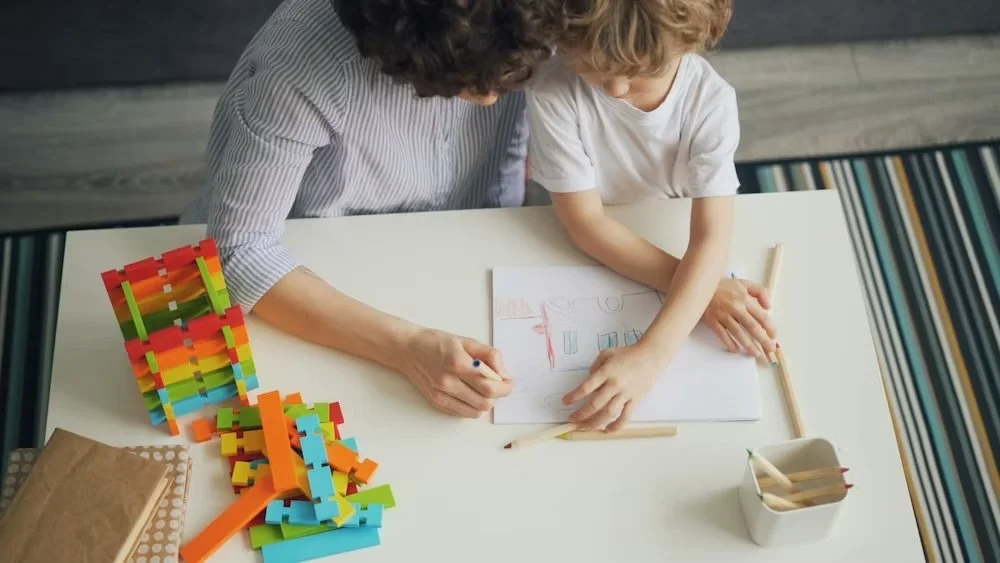
Why Play Is the Most Important Thing Your Child Isn’t Getting Enough Of
It’s not a luxury. It’s not a reward for finishing homework. Free, child-directed play is the most powerful brain-building tool we have — and most of us have forgotten how to make room for it.

Trauma & Healing
If you have a history of sexual trauma, the current news cycle may feel overwhelming, activating, or frightening in ways that make sense. Coverage of Jeffrey Epstein and related abuse networks has saturated media and conversation, and for many survivors, it can land as a direct hit rather than background noise. What you’re experiencing is real, has a name, and a path through it.

You Did Everything Right. So Why Is This So Hard? A 20-something crisis that older generations can’t afford to ignore
When I asked twenty-somethings why Gen Z gets a bad rap, I expected pushback. Instead, they didn't dispute the stereotypes — they questioned whether the traditional markers of effort still matter. If the old paths to stability are closing, what are we actually asking this generation to do?

The Opposite of Critical Thinking: How Dogmatic Parents Are Failing Their Teens
A certain degree of rebellion is baked into human development. As adolescents move toward adulthood, they must learn how to survive independently — psychologically and socially — apart from their caregivers. If teens are not given room to disagree, development can stall. Children may grow into adults who struggle with self-reliance, decision-making, and authentic self-expression.

A Parent’s Guide To Talking About Gender and Sexuality With Kids
In my work with children and parents, I often help families navigate kids' gender and sexual identity exploration. Childhood is inherently a time of creative self-identification, but when a child shares new pronouns or a clothing preference, parents often freeze. How do you respond in a way that supports without rushing?

Becoming A Mother
As our Clear Mind Psychology Reproductive Mental Health Team has begun to visit new mothers in their homes, or treat pregnant and postpartum parents virtually and in our offices, I am dismayed to hear the same stories of physical and emotional pain, misdirected shame, and disappointment in expectant and new mothers today that I, and my research subjects, felt over two decades ago. What?! Seriously?! No movement at all in the way new parents feel and the way they are supported by society? This is so hard to believe.

Discovering Happiness: A Psychologist’s Guide for Parents
I’ve always had a soft spot for smiley faces, rainbows, and unicorns, but lately I’ve felt conflicted about the way happiness is portrayed in wellness and parenting culture. Like “success” or “being good,” happiness can become such a broad and unrealistic expectation that it stops being useful. After more than thirty-five years working in psychology, I’ve never seen such an intense cultural fixation on happiness — from self-help media to major publications like Time and The New York Times asking the same question: how do we become happy?

Why should I care about my Attachment Style?
Attachment theory examines how early relationships shape the way we connect, communicate, and navigate intimacy throughout life. Understanding attachment styles can offer powerful insight into our relationship patterns, emotional responses, and capacity for secure connection.